
AI product photography
AI Product Photography Workflow for Ecommerce Visual Sets
A practical guide to expanding one product image into hero shots, detail visuals, social covers, and ad assets with AI.
- Category
- AI product photography
- Author
- DOBIDOBI Editorial Team
- Published
- Last updated
- Reading time
- 9 min read
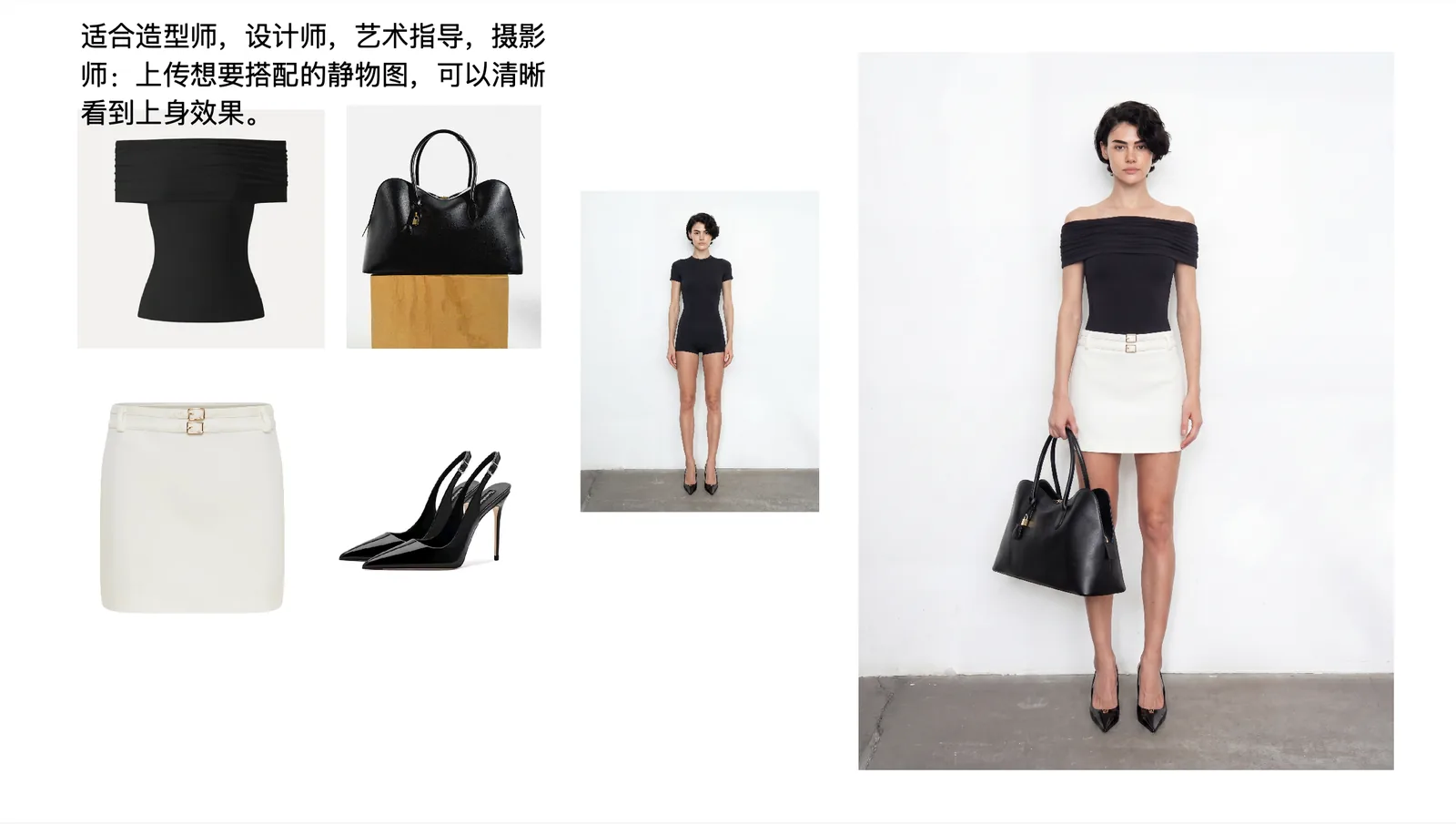
Quick answer: product photography is more than a white-background image
- AI product photography is most useful when it expands one product into hero, detail, lifestyle, social, and ad visuals.
- Product accuracy matters more than visual surprise, especially for color, material, structure, logos, and proportion.
- A reference image keeps light, composition, and scene style consistent across a set.
- High-intent content should teach the workflow, not only show impressive outputs.
Product photography is more than a white-background image
Ecommerce teams rarely need only one product image. A launch needs a listing image, detail-page assets, social covers, ad variations, creator briefs, and internal review boards. Traditional photography creates strong quality, but every new scene or ratio adds coordination cost.
AI product photography is valuable when it makes the first round of direction testing and version expansion cheaper. Run ten directions, reject seven, and give the strongest three to design, photography, or media teams for refinement.
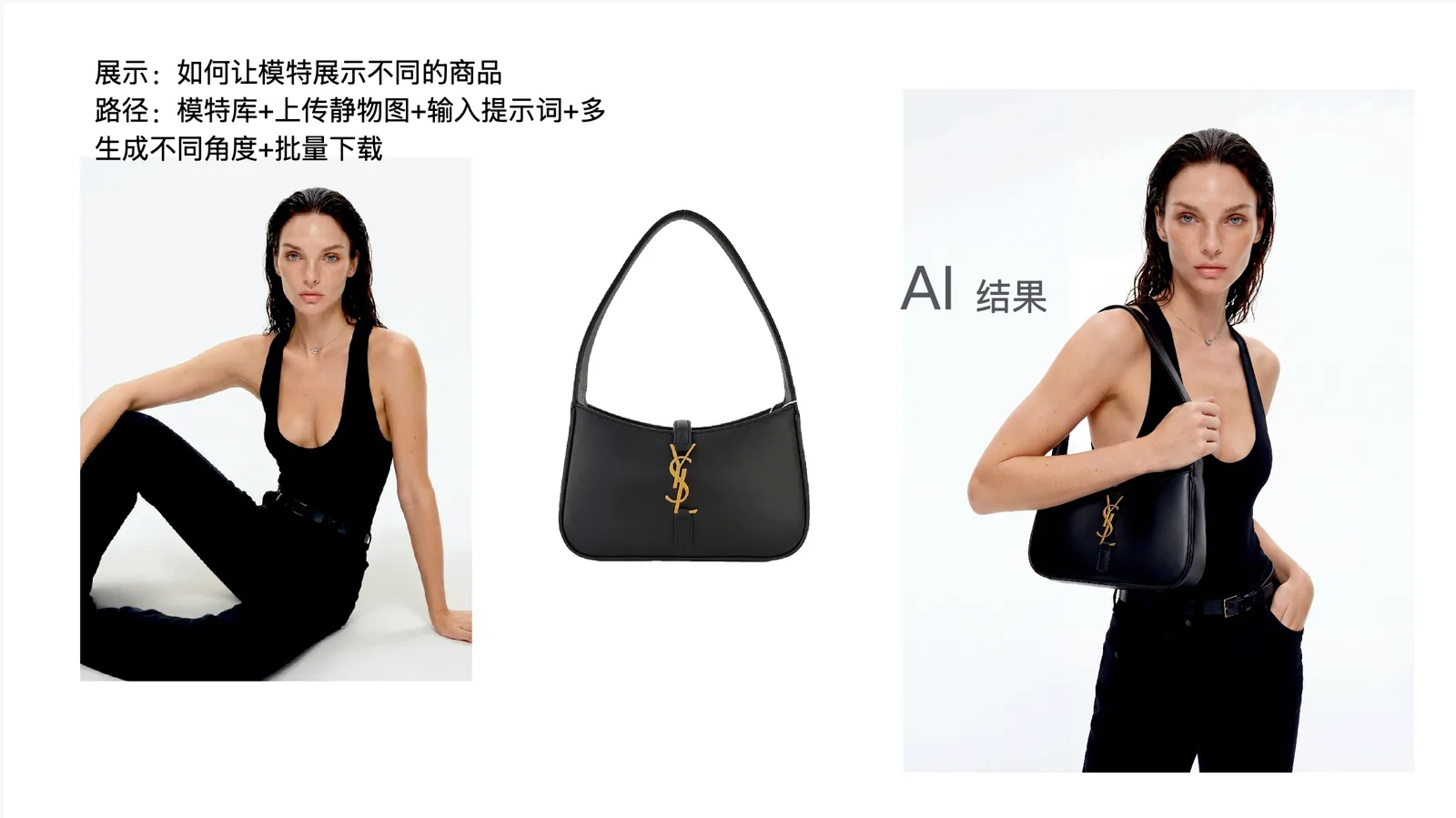
Step 1: lock the product truth
A clear product image protects accuracy. A scene reference controls space and light. A brand reference controls taste. When everything is hidden inside one prompt, the result may be attractive but unrelated to the real product or brand.
For each product, prepare a subject image, a comparable brand visual, and a target channel reference. A social cover, a search ad, and a detail-page module each need a different composition and safe area.
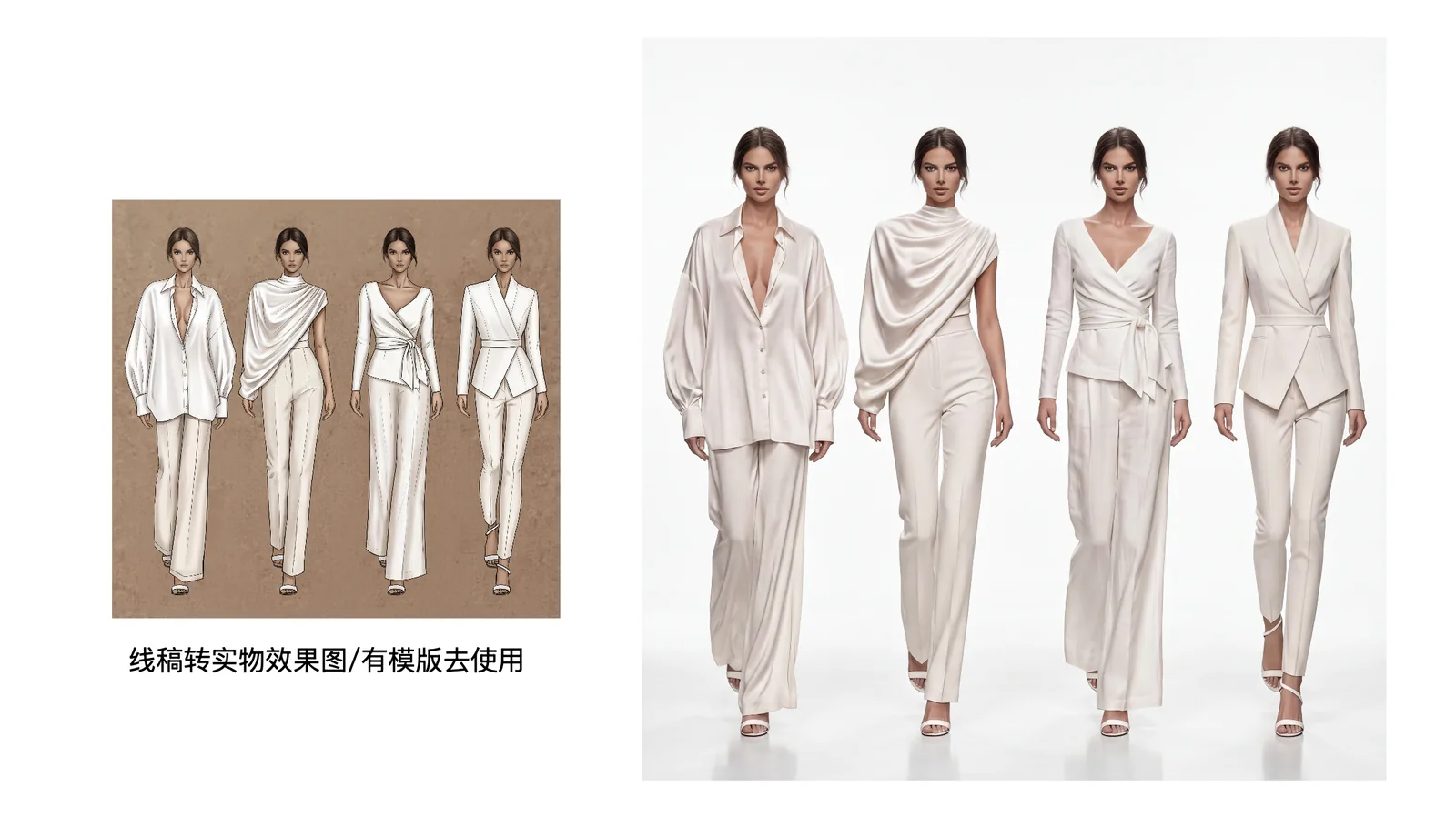
Step 2: separate product, scene, and brand mood inputs
Hero images should be clear and immediately recognizable. Detail images should explain material, size, structure, and use. Ads need stronger contrast, emotion, and memory. If all three use the same image logic, the output becomes attractive but hard to use.
A better workflow is to generate four hero directions, select one brand-fit direction, extend it into six detail or lifestyle images, and then adapt the strongest frames into ad ratios.
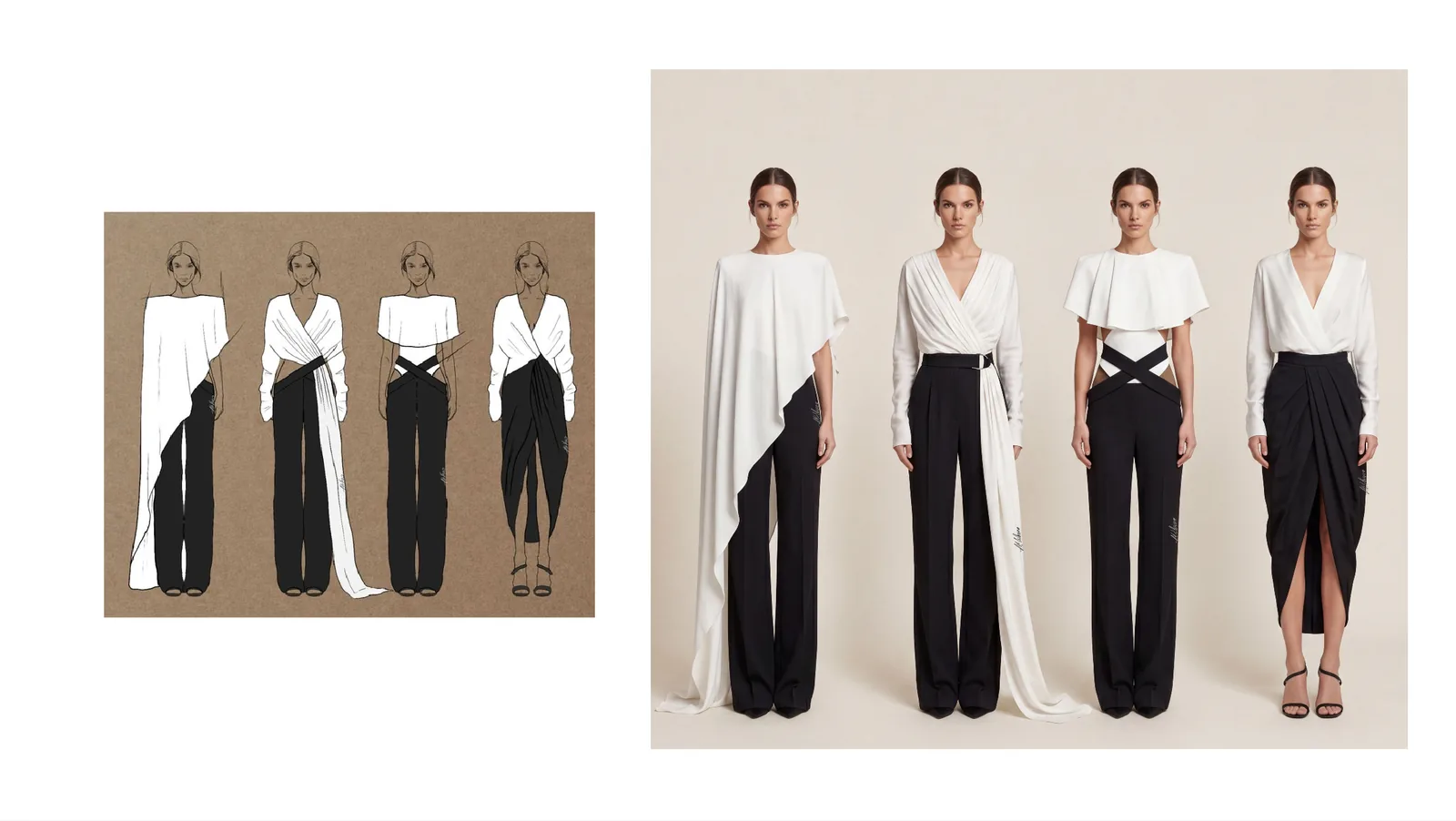
Step 3: test hero directions
AI can create a beautiful scene while quietly changing the item. Review the actual product first: color, material, size, pattern, logo, buckle, seam, packaging, and edge shape. If those fail, the image is only inspiration.
Official search, shopping, and ad systems also care about image clarity, relevance, and specifications. Referencing those rules in content is not filler; it helps users understand that AI images eventually enter real channels.
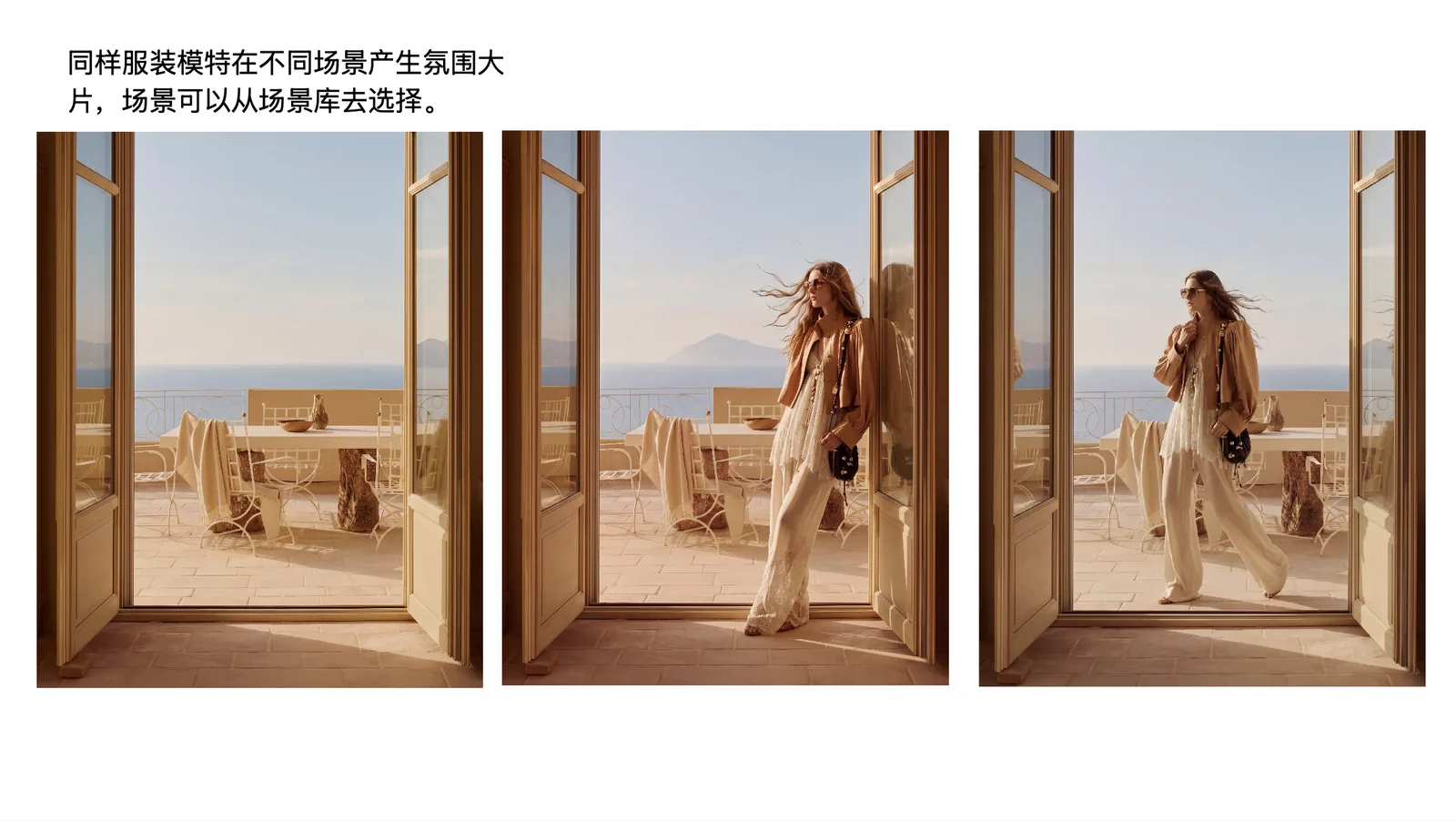
Steps 4–6: expand, review, and continue the visual cluster
This guide should not stand alone. It should connect to AI model images, ecommerce image generation, reference-to-ad workflows, lookbook production, and image-to-video. That helps users continue their task and helps search engines understand the site theme.
The user journey is natural: product image first, model try-on next, ad creative after that, and short-form video once the still image works.
Common mistakes to avoid
- Judging the aesthetic before the product and missing changes to color, logos, seams, or structure.
- Using one prompt for product, scene, and brand requirements instead of keeping inputs reusable.
- Reusing hero-image logic for detail frames and ads.
- Shipping without checking the target channel ratio, resolution, and safe area.
- Restarting every asset instead of extending one approved direction.
Decision table
Generation strategy by product image use case
| Use case | Generation focus | Common risk |
|---|---|---|
| Hero image | Clear subject, clean background, stable proportion | Shape changes and broken edges |
| Detail image | Material, structure, size, and usage | Invented details or exaggerated features |
| Social image | Mood, composition, and first-glance appeal | Brand drift and over-filtering |
| Ad image | Memory hook, space for copy, safe area | Wrong ratio or too much text |
Checklist
AI product image checklist
- The product has not been redesigned by AI.
- Hero, detail, social, and ad assets use different review standards.
- Filenames, alt text, and nearby copy describe the image and product clearly.
- Internal links connect model, ad, video, and lookbook workflows.
FAQ
Can AI product photography replace a photo shoot?+
It is strongest for direction testing and asset expansion. High-value or compliance-sensitive products should still receive human review or real-shot support.
What is the most important input?+
A clear product image plus a strong visual reference. The first protects accuracy; the second protects brand direction.
Why include external references in the article?+
Because the final images often enter search, shopping, or ad channels, and official requirements make the workflow more trustworthy.
Expand one product image into a launch set
Create hero, detail, social, and ad visuals from one product direction instead of restarting each asset from scratch.
Open AI product photographyKeep reading